
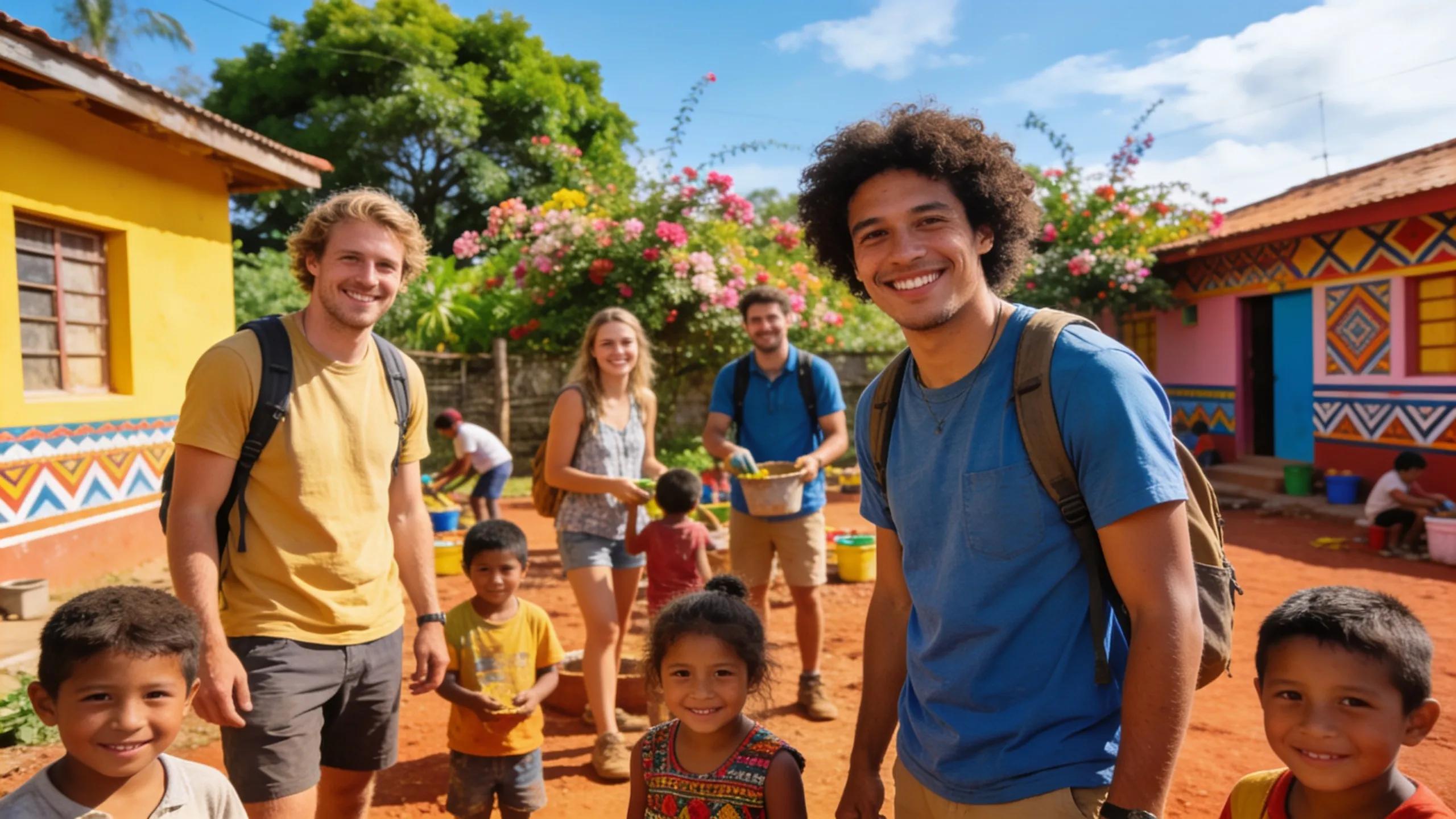
Voluntourism is a transformative approach to travel that combines the joy of exploration with community engagement. By participating in voluntourism initiatives, travelers not only discover new cultures but also contribute positively to local communities in need. This article will delve into the core benefits of voluntourism, examining its impact from social, economic, and environmental perspectives. It will guide remote professionals in finding ethical volunteer travel opportunities, ensuring their experiences are both meaningful and responsible. Throughout this exploration, readers will understand how voluntourism fosters sustainable tourism and supports local economies while highlighting how organizations like Passports with Purpose lead the charge in creating ethical travel programs.
What Are the Core Benefits of Voluntourism in Global Communities?
Voluntourism offers significant advantages that benefit both travelers and local communities. Travelers engage in meaningful projects that lead to enhanced cultural understanding, personal growth, and memorable experiences.
- Social Impact: Voluntourism initiatives often address pressing needs, such as education and healthcare, helping local communities grow stronger.
- Economic Impact: These initiatives support local economies by creating jobs and fostering opportunities for small businesses through responsible spending.
- Environmental Impact: Many voluntourism programs focus on sustainability and conservation, helping to protect local ecosystems and promote environmental stewardship.
How Does Voluntourism Enhance Sustainable Tourism Benefits?

Voluntourism enhances sustainable tourism by integrating local communities into the travel experience, fostering a deeper understanding and appreciation of their culture. This approach not only creates a win-win situation for tourists and hosts but also encourages responsible practices in tourism. For those looking to delve deeper into sustainable travel practices, exploring resources like those offered by VolunteerMatch can provide valuable insights into effective community engagement strategies.
These benefits illustrate how voluntourism can transform tourism from a transactional experience into one that values collaboration and community development.
In What Ways Does Voluntourism Support Community-Based Travel Experiences?
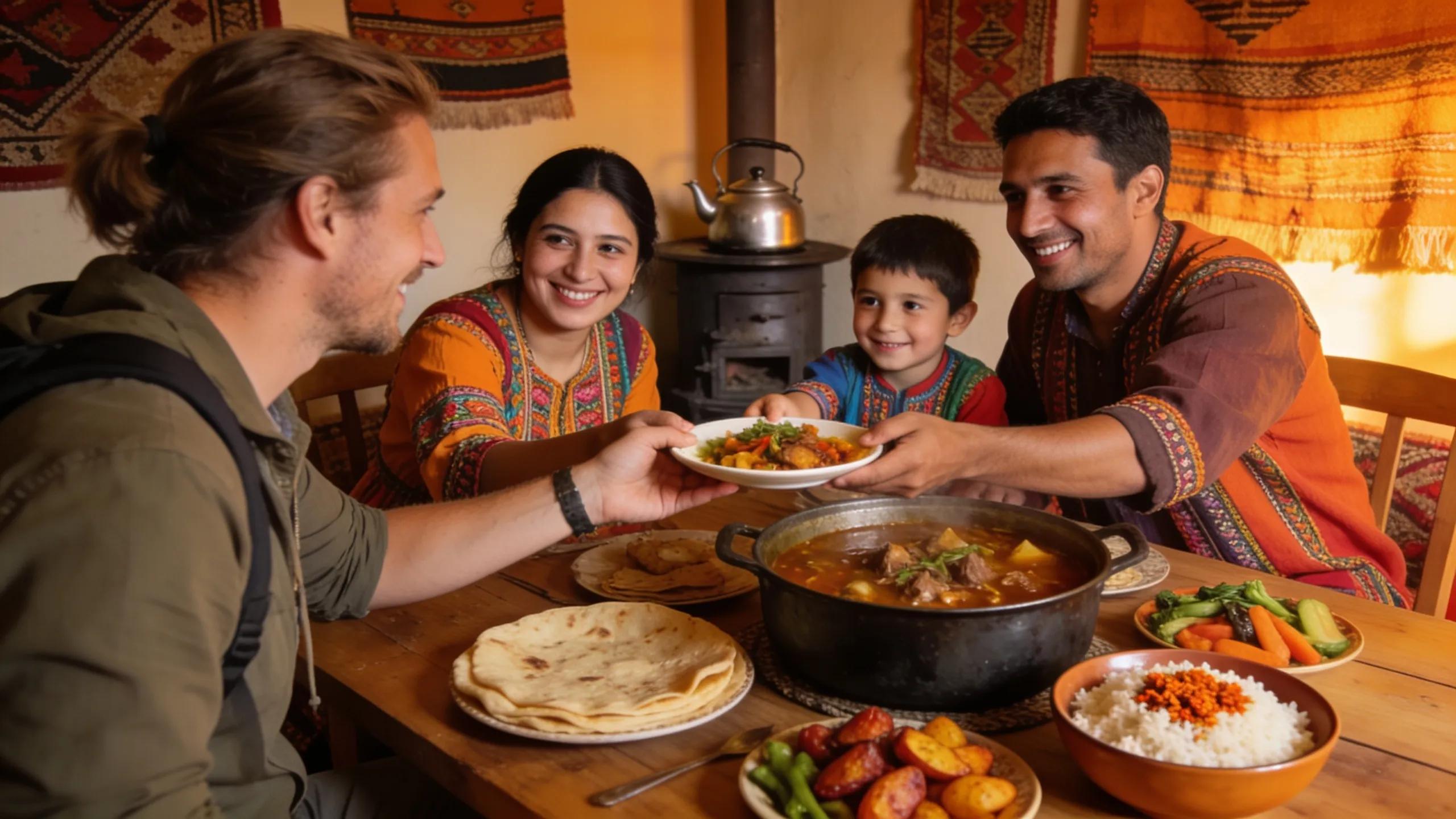
Community-based travel experiences thrive through voluntourism by providing tourists with immersive opportunities that support cultural exchange. This involvement enhances traveler satisfaction and leads to a more significant impact on local communities.
- Higher Satisfaction Levels: Travelers often report greater satisfaction when they engage in community-driven projects, feeling a tangible connection to the locals.
- Economic Impact Retention: Funds generated through voluntourism tend to remain within the community, leading to long-term developmental benefits.
- Cultural Preservation and Education: Engaging with local customs and traditions fosters cultural appreciation and preservation, which is vital for both visitors and residents.
How Can Remote Professionals Find and Engage in Ethical Volunteer Travel Opportunities?
Remote professionals looking to engage in ethical volunteer travel must focus on reputable organizations and robust programs that align with their values and skills. By prioritizing ethical standards, volunteers can ensure their contributions are impactful.
What Criteria Define Ethical Travel Programs in Voluntourism?
Ethical travel programs are typically defined through several key criteria:
- Partnerships with Local Entities: Collaborations between volunteers and local organizations foster respect for community needs.
- Focus on Long-Term Impact: Programs that prioritize sustainable outcomes help communities cultivate lasting change.
- Health and Safety Protocols: Ensuring the safety of both volunteers and hosts is critical, especially in areas with limited resources.
Which Platforms and Networks Facilitate Meaningful Volunteer Experiences?
Numerous platforms connect potential volunteers with ethical opportunities. Some examples include:
- Passports with Purpose: Organizations that create tailored programs focusing on community impact.
- VolunteerMatch: A robust network providing access to numerous reputable volunteer positions worldwide.
- Idealist: An extensive resource for finding meaningful volunteer opportunities focusing on community service.
Remote professionals can utilize these platforms to discover programs that resonate with their skills and interests while ensuring their involvement leads to positive community engagement. For more options and detailed listings, resources like Idealist offer a wide array of opportunities for meaningful volunteer experiences.
What Is the Impact of Voluntourism on Global Communities and Travel Entrepreneurs?
The impact of voluntourism is profound, addressing various social, economic, and environmental challenges worldwide. By integrating travelers into communities, voluntourism results in:
- Economic Opportunities: Increased awareness of local needs often leads to job creation and business opportunities.
- Community Development: Voluntourism fosters relationships that support local initiatives, enhancing community cohesion.
- Cultural Exchange: Engaging with diverse populations enriches travelers’ experiences and promotes cultural understanding.
How Do Volunteer Experiences Drive Local Community Development?
Volunteer experiences are vital for driving local community development as they not only provide immediate support but also empower local initiatives through relationships built between volunteers and local residents.
- Economic Opportunities: Volunteers contribute resources that help sustain local projects.
- Community Empowerment: Through collaboration, communities gain the skills and tools necessary for their development.
- Sustainable Practices: Volunteers can introduce best practices to local projects, promoting sustainability.
These experiences create a foundation for ongoing development and resilience within communities.
How Does Travel Entrepreneurship Integrate with Voluntourism Initiatives?
Travel entrepreneurship significantly overlaps with voluntourism, aiming to create sustainable business models that prioritize both profit and community well-being.
- Sustainable Business Models: Entrepreneurs often create ventures that align with ethical tourism practices, reinforcing the community and environment.
- Supporting Local Communities: Many entrepreneurs focus on sourcing locally, ensuring that community members benefit directly from tourism.
- Unique Traveler Experiences: By blending business with altruism, these initiatives offer travelers unique opportunities that are both enriching and impactful.
This integration demonstrates the potential for travel entrepreneurship to reshape how we engage with the world while supporting communities. Exploring successful models in this area can be inspired by organizations that prioritize this blend of commerce and social responsibility.
How to Plan an Effective Voluntourism Trip That Maximizes Impact and Personal Growth?
Planning a voluntourism trip requires careful consideration to ensure that the experience maximizes both personal growth and community impact.
What Are Essential Steps for Preparing a Successful Volunteering Abroad Journey?
The journey begins with several preparatory steps:
- Purpose Identification: Clearly articulate your reasons for volunteering to align your skills with community needs.
- Health and Safety Planning: Research health considerations and safety protocols in your destination to ensure a smooth experience.
- Community Engagement: Engage with local projects beforehand to foster connections and set realistic expectations.
How Can Volunteers Measure and Enhance Their Long-Term Impact?
Volunteers can evaluate their contributions through various metrics and feedback mechanisms:
- Utilizing Impact Metrics: Setting specific, measurable goals allows volunteers to assess their influence.
- Establish Long-Term Connections: Maintaining relationships with local communities post-project enhances sustainability.
- Reflecting on Contributions: Regular reflection on experiences strengthens volunteer motivations and practices.
By taking these steps, volunteers not only maximize their immediate impact but also set the stage for sustained improvements within local communities.