The Ultimate Guide To Camping in National Parks
Camping in America’s national parks is a dream for many outdoor enthusiasts. With majestic landscapes and untouched wilderness, these preserved areas offer an experience that’s both enriching and exhilarating. However, to ensure a smooth and enjoyable camping trip, careful preparation is key. From obtaining permits to respecting wildlife, there’s a lot to consider before pitching your tent under the stars. Keep reading for a detailed guide to making the most of your national park camping adventure.
Planning Your National Park Camping Adventure: Essential Tips
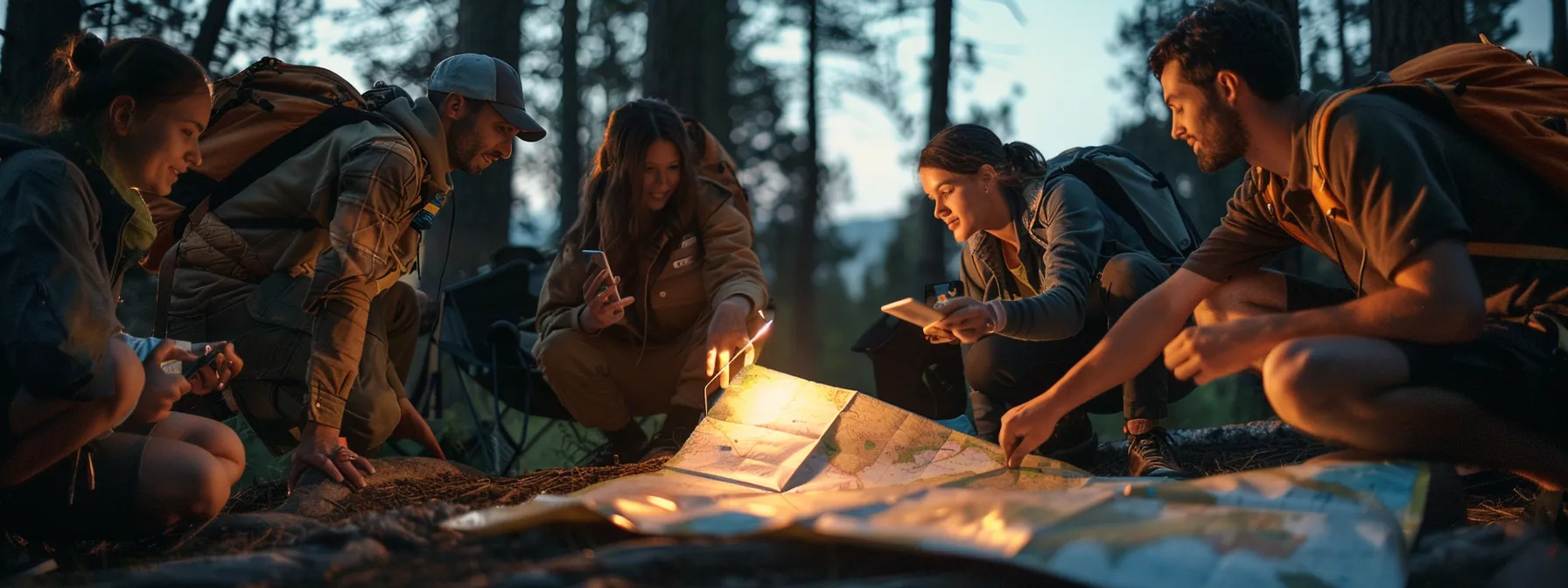
Embarking on a camping trip in a national park requires meticulous planning and preparation. First and foremost, you’ll need to decide which park to visit based on your interests, whether it’s hiking, photography, or wildlife observation. Researching the different campsites within the park, their amenities, and accessibility, will help you choose the perfect spot. Remember that popular parks can become crowded, especially during peak seasons, so it’s wise to plan ahead. As you prepare for your next outdoor adventure, consider utilizing national park camping resources to find the perfect spot under the stars, contributing to a lifetime of memories while preserving the natural grandeur for others to cherish.
Once you’ve selected your park and campsite, check the weather forecast and prepare accordingly. Sudden weather changes are common in wilderness areas, and having the right gear can make a difference between a pleasant experience and a challenging ordeal. Be aware of season-specific phenomena, such as mosquito activity in the summer or early snowfall in the autumn, which may impact your trip.
Acquiring the Necessary Permits for Camping in National Parks
Before you can enjoy the beauty of a national park, you’ll likely need to obtain a camping permit. Each park has its own system for issuing permits, which often can be reserved online or by phone. Some parks operate on a first-come, first-served basis for certain campsites, so it’s essential to know the reservation policies beforehand to secure your spot.
In high-demand parks, permits can be challenging to acquire, especially during peak tourist seasons. It’s advisable to book as early as possible, sometimes even months in advance. Keep in mind that some permits are released on a rolling basis, meaning they become available each day for a specific date in the future, so continuous monitoring is required for availability.
The cost of permits varies from park to park and may depend on the campsite’s amenities, such as electricity or water hook-ups. In addition to the camping permit, some areas within the park may need additional permits for activities like backcountry hiking, fishing, or boating. Ensure you are aware of all necessary permits to avoid fines or denied entry.
Packing Smart: Essential Gear for a National Park Camping Trip
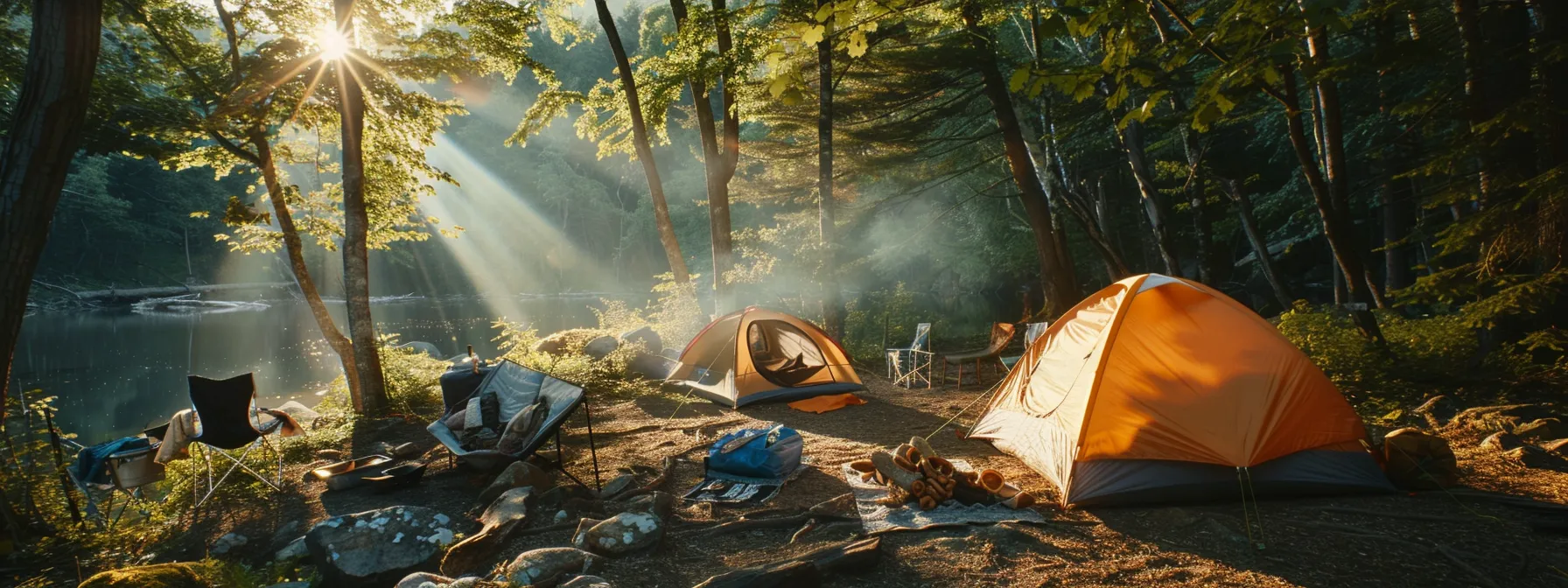
Tailoring your packing list to the specific conditions and requirements of the national park you’re visiting is vital. Always include a durable tent, a sleeping bag rated for the nighttime temperatures you’ll encounter, and a comfortable sleeping pad. Clothing should be chosen based on the climate, with layers being the best option for variable weather conditions.
Investing in a reliable cooking system is also essential, whether it’s a portable stove or a simpler fire-based setup; however, remember to check fire restrictions in your chosen park. Include a cookset with pots, pans, and utensils, and remember to carry enough water or a means to purify natural water sources found in the park.
Campsite Etiquette and Preserving Natural Beauty
When visiting a national park, it’s not just about enjoying the scenery; it’s also about preserving it for others to enjoy. Practicing Leave No Trace principles is a cornerstone of ethical camping. Dispose of waste properly, stay on designated trails, and avoid disturbing wildlife. Be mindful of noise levels to ensure a peaceful atmosphere for all campers and wildlife.
Rules and regulations also govern the selection of campsite locations within the park. Utilize established sites to minimize environmental impact. Don’t create new ones or expand existing ones. Respecting site boundaries preserves the natural habitat and minimizes erosion. Keep campsites clean, store food securely, and refrain from feeding animals, as this can alter their natural behaviors.
In addition to personal conduct, campfire etiquette is an important aspect of campsite manners. Only light fires in designated areas and never leave a fire unattended. Use fallen wood sparingly or bring in eco-friendly fuel options. Before leaving, ensure the fire is completely extinguished and that no traces remain.
Camping in a national park can be an incredibly rewarding experience if done responsibly and with preparation. By obtaining the right permits, packing wisely, adhering to campsite etiquette, and navigating regulations and safety measures, you’re set to enjoy the sublime beauty of America’s national parks.