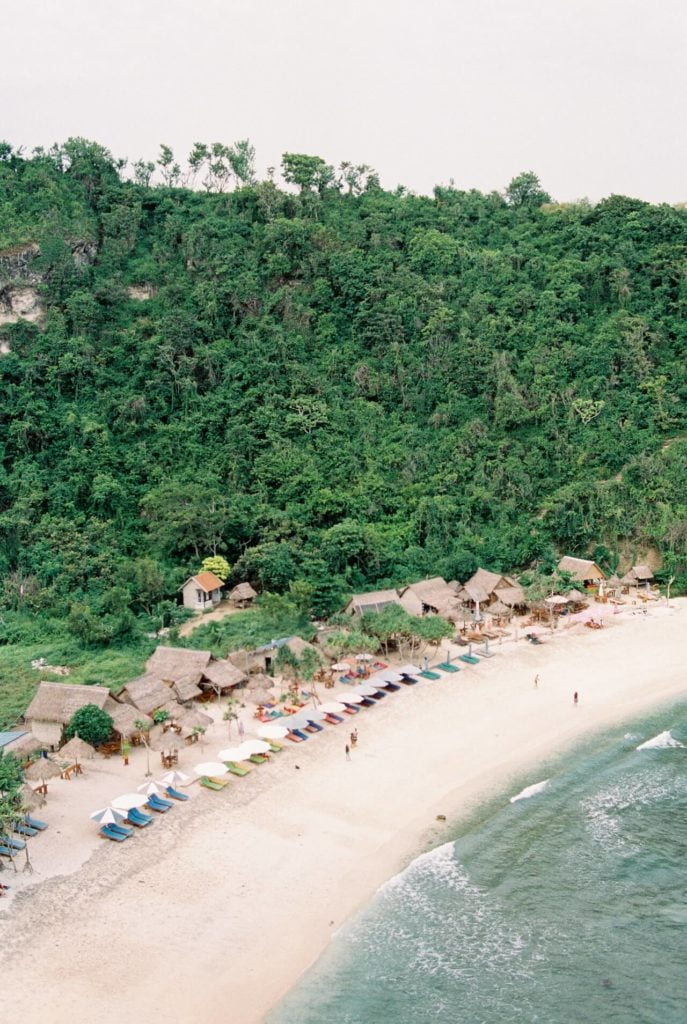
Strategic and Safe Places to Go During COVID Recovery in 2026
Global travelers seeking impactful experiences now prioritize destinations that demonstrated resilience and community-led health infrastructure during the shifts of the last several years. Finding locations that balance personal safety with a genuine need for volunteer support remains a primary challenge for the modern purposeful traveler who wants to ensure their presence provides a net positive benefit. Addressing this requires a shift from passive sightseeing to active, health-conscious engagement with local socio-economic recovery projects that have matured by 2026.
The Evolution of Health-Conscious Travel and Purposeful Impact
By 2026, the criteria for selecting travel destinations have shifted from mere accessibility to a deep evaluation of community resilience and health security. When individuals search for places to go during covid recovery phases, they are increasingly looking for locations where the source context of the visit is rooted in mutual benefit rather than extractive tourism. This evolution means that the most desirable locations are those that have integrated robust health protocols into their local hospitality and volunteering sectors. Purposeful travel now emphasizes smaller, manageable group sizes and long-term stays that reduce the churn of international arrivals, thereby protecting vulnerable populations while maximizing the depth of the volunteer’s contribution. Modern travel impact is measured not just by financial input, but by the stability and safety of the exchange between the visitor and the host community.
Identifying Resilient Communities for Impactful Volunteering
The process of identifying suitable destinations in 2026 involves analyzing a topical map of health data, socio-economic stability, and local governance. Resilient communities are typically those that have established strong partnerships with international NGOs and local health authorities to create “safe zones” for purposeful travel. These areas often focus on specific entity-attribute pairs, such as “rural clinic-resource availability” or “educational center-sanitation standards,” to provide a transparent view of the environment. For a traveler, this means looking for places where the mission to support local development is paired with a sophisticated understanding of endemic health management. By focusing on these structured environments, volunteers can provide essential services in education, healthcare, and sustainable agriculture without compromising the health of the local population or themselves.
Top Regional Options for Low-Density Purposeful Travel
In the current landscape of 2026, certain regions have emerged as leaders in providing safe, low-density environments for purposeful engagement. Central American corridors, particularly in regions that have pioneered eco-health tourism, offer numerous places to go during covid-endemic periods where outdoor-based volunteering is the norm. Similarly, Southeast Asian nations that have invested heavily in digital health tracking and community-based surveillance offer secure environments for those looking to support mission-driven educational programs. These regions prioritize “slow travel,” encouraging volunteers to remain in one location for several months. This approach not only minimizes the risk of pathogen transmission across borders but also allows for a more significant n-gram share of local knowledge and cultural integration, which is vital for the success of any volunteer initiative or partnership.
Integrating Health Protocols into Modern Volunteer Practices
The practices surrounding international volunteering have undergone a radical transformation by 2026, moving toward a model of “health-first” engagement. Every reputable volunteer organization now operates under a strict set of lexicaosemantics regarding safety, where terms like “biosecure bubble” and “community-led monitoring” are standard in every content brief and project description. For the traveler, this means that the preparation phase involves not just skill assessment, but also rigorous health training and a commitment to local protocols. These practices ensure that the travel impact remains positive, preventing the strain on local medical resources that was a concern in previous years. By adhering to these updated standards, purposeful travelers act as extensions of the local health infrastructure, often assisting in the distribution of resources or the communication of health information within the communities they serve.
How Support Our Mission Initiatives Enhance Global Health Security
When travelers choose to support our mission through dedicated volunteer programs, they are contributing to a larger framework of global health security that has been reinforced since the early 2020s. These initiatives often focus on building local capacity, which is the most effective way to ensure that “places to go during covid” recovery remain safe for everyone in the long term. Donations and physical volunteering efforts are now channeled into projects that improve water, sanitation, and hygiene (WASH) facilities, which are fundamental to preventing future outbreaks. This systemic approach to volunteering ensures that the presence of international supporters strengthens the community’s own ability to manage health challenges. Consequently, the act of traveling becomes a vehicle for global stability, bridging the gap between immediate aid and long-term developmental resilience.
Conclusion: Sustaining the Future of Responsible Global Exploration
The landscape of purposeful travel in 2026 demands a sophisticated balance between the desire to help and the necessity of maintaining rigorous health standards. By selecting destinations that prioritize community resilience and adhering to modern safety protocols, travelers can ensure their impact is both meaningful and secure. We invite you to explore our current partnership opportunities and join a movement that values the health and prosperity of global communities above all else; contact our team today to begin your journey of responsible impact.
How can I verify the safety of volunteer destinations in 2026?
Verifying safety in 2026 requires checking the Integrated Health Resilience Index (IHRI) for your specific destination. This index evaluates local vaccination rates, hospital capacity, and the transparency of health reporting. You should also review the specific health protocols of your host organization, ensuring they align with the 2026 World Health Organization standards for community-based volunteering. Reputable programs will provide detailed documentation on their biosecurity measures and emergency response plans before you commit to a trip.
What are the most impactful places to go during COVID-endemic periods for medical professionals?
Medical professionals are currently most needed in decentralized rural clinics within Sub-Saharan Africa and Southeast Asia. These locations often lack the specialized personnel required to manage both routine care and endemic health monitoring. By focusing on regions with established “health-security partnerships,” medical volunteers can provide high-impact training to local staff. This approach ensures that the benefits of your visit extend far beyond your departure, contributing to a sustainable and resilient local healthcare system that can withstand future challenges.
Why is purposeful travel more effective than traditional tourism for community recovery?
Purposeful travel is more effective because it prioritizes long-term socio-economic stability over short-term financial gain. Traditional tourism often creates “leakage,” where profits leave the local community, whereas purposeful travel focuses on capacity building and direct support for local missions. In 2026, this model is essential for recovery as it addresses the root causes of vulnerability, such as inadequate infrastructure or lack of educational resources, rather than just providing a temporary boost in foot traffic and consumption.
Which organizations offer the best health-integrated volunteer programs?
The best health-integrated programs are offered by organizations that have formal partnerships with national health ministries and international development agencies. Look for companies that provide comprehensive health insurance, clear quarantine protocols if necessary, and a focus on “low-contact” impact projects. Organizations that utilize data-driven mapping to place volunteers in areas of highest need, while maintaining strict safety standards, are considered the industry leaders in 2026. Always check for third-party certifications regarding ethical volunteering and health safety before applying.
Can I combine remote work with purposeful travel in high-resilience zones?
Yes, combining remote work with purposeful travel, often called “impact-nomadism,” is a major trend in 2026. Many high-resilience zones have developed “impact hubs” that provide the necessary digital infrastructure for remote work alongside structured volunteer opportunities. This allows travelers to sustain themselves financially while dedicating a portion of their week to supporting local missions. This model is highly encouraged as it promotes longer stays, which are safer and more beneficial for the host community’s socio-economic development than short-term visits.
===SCHEMA_JSON_START===
{
“meta_title”: “Places to Go During COVID: Safe Purposeful Travel in 2026”,
“meta_description”: “Discover the safest places to go during COVID recovery in 2026. Learn how purposeful travel and volunteering support global health and community resilience.”,
“focus_keyword”: “places to go during covid”,
“article_schema”: {
“@context”: “https://schema.org”,
“@type”: “Article”,
“headline”: “Places to Go During COVID: Safe Purposeful Travel in 2026”,
“description”: “Discover the safest places to go during COVID recovery in 2026. Learn how purposeful travel and volunteering support global health and community resilience.”,
“datePublished”: “2026-01-01”,
“author”: { “@type”: “Organization”, “name”: “Site editorial team” }
},
“faq_schema”: {
“@context”: “https://schema.org”,
“@type”: “FAQPage”,
“mainEntity”: [
{
“@type”: “Question”,
“name”: “How can I verify the safety of volunteer destinations in 2026?”,
“acceptedAnswer”: { “@type”: “Answer”, “text”: “Verifying safety in 2026 requires checking the Integrated Health Resilience Index (IHRI) for your specific destination. This index evaluates local vaccination rates, hospital capacity, and the transparency of health reporting. You should also review the specific health protocols of your host organization, ensuring they align with the 2026 World Health Organization standards for community-based volunteering. Reputable programs will provide detailed documentation on their biosecurity measures and emergency response plans before you commit to a trip.” }
},
{
“@type”: “Question”,
“name”: “What are the most impactful places to go during COVID-endemic periods for medical professionals?”,
“acceptedAnswer”: { “@type”: “Answer”, “text”: “Medical professionals are currently most needed in decentralized rural clinics within Sub-Saharan Africa and Southeast Asia. These locations often lack the specialized personnel required to manage both routine care and endemic health monitoring. By focusing on regions with established “health-security partnerships,” medical volunteers can provide high-impact training to local staff. This approach ensures that the benefits of your visit extend far beyond your departure, contributing to a sustainable and resilient local healthcare system that can withstand future challenges.” }
},
{
“@type”: “Question”,
“name”: “Why is purposeful travel more effective than traditional tourism for community recovery?”,
“acceptedAnswer”: { “@type”: “Answer”, “text”: “Purposeful travel is more effective because it prioritizes long-term socio-economic stability over short-term financial gain. Traditional tourism often creates “leakage,” where profits leave the local community, whereas purposeful travel focuses on capacity building and direct support for local missions. In 2026, this model is essential for recovery as it addresses the root causes of vulnerability, such as inadequate infrastructure or lack of educational resources, rather than just providing a temporary boost in foot traffic and consumption.” }
},
{
“@type”: “Question”,
“name”: “Which organizations offer the best health-integrated volunteer programs?”,
“acceptedAnswer”: { “@type”: “Answer”, “text”: “The best health-integrated programs are offered by organizations that have formal partnerships with national health ministries and international development agencies. Look for companies that provide comprehensive health insurance, clear quarantine protocols if necessary, and a focus on “low-contact” impact projects. Organizations that utilize data-driven mapping to place volunteers in areas of highest need, while maintaining strict safety standards, are considered the industry leaders in 2026. Always check for third-party certifications regarding ethical volunteering and health safety before applying.” }
},
{
“@type”: “Question”,
“name”: “Can I combine remote work with purposeful travel in high-resilience zones?”,
“acceptedAnswer”: { “@type”: “Answer”, “text”: “Yes, combining remote work with purposeful travel, often called “impact-nomadism,” is a major trend in 2026. Many high-resilience zones have developed “impact hubs” that provide the necessary digital infrastructure for remote work alongside structured volunteer opportunities. This allows travelers to sustain themselves financially while dedicating a portion of their week to supporting local missions. This model is highly encouraged as it promotes longer stays, which are safer and more beneficial for the host community’s socio-economic development than short-term visits.” }
}
]
}
}
===SCHEMA_JSON_END===